Is LinkedIn threatening your organisational reputation? And, if so, what can you do about it in 2025?
Is LinkedIn threatening your organisational reputation? And, if so, what can you do about it in 2025?
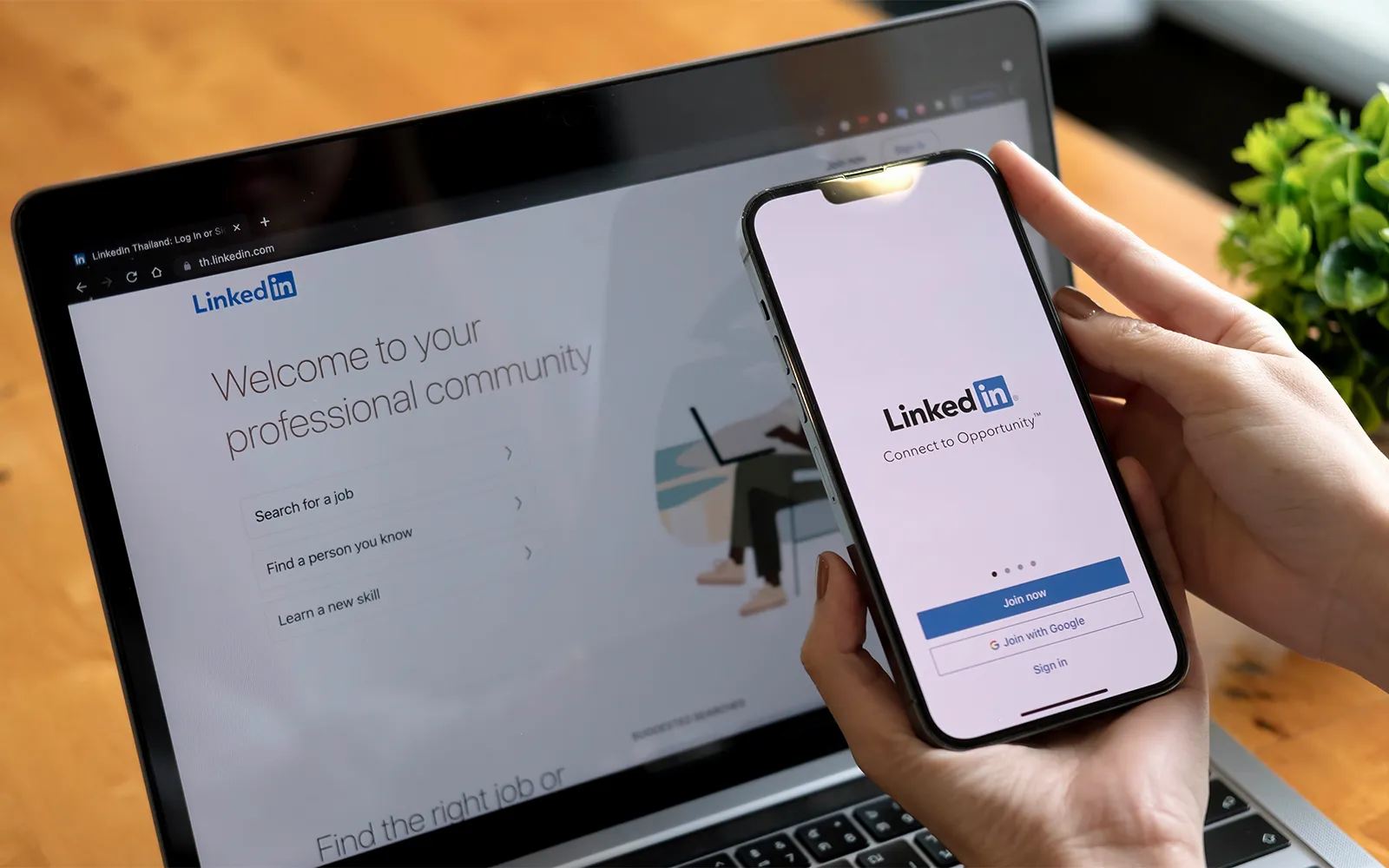
Here are six ways to navigate the risks and opportunities of the professional networking platform from Corporate Affairs expert Patrick O’Beirne of Six O’Clock Advisory.
LinkedIn is on the brink of becoming stale, trashy and potentially risky – but it is within our power to prevent it, according to a Melbourne-based corporate affairs expert.
The world’s leading professional networking platform was once a place for people wanting to connect on neutral ground, free from the toxicity of Twitter and the self-aggrandisement of Instagram.
But as the platform moves to fully embrace its content-sharing function it is increasingly populated by self-promoters and salespeople posing as thought leaders, some concerned experts think.
A new study has found that more than half LinkedIn posts are now AI-generated, further threatening the platform’s once-shining reputation.
According to Patrick O’Beirne, a director at Melbourne’s Six O’Clock Advisory, the social media giant risks becoming a cesspit for boring content, petty conflict and self-promotion.

Above: Patrick O'Beirne, Director, Six O'Clock Advisory.
He is part of a growing group of communications experts who see LinkedIn heading in a worrying direction due to attention-grabbing and performative content.
Some experts attribute this shift towards selling – whether it be your own personal brand, products, or services – to the platform’s continued resonance with top executives and consultants.
Patrick, a former government relations specialist at Australia’s leading telecommunications company, Telstra, has stopped posting on the platform due to a surge in ‘LinkedIn litter’ – a tongue-in-cheek term coined by his colleague.
He said: “I increasingly read posts and find myself thinking ‘tone it down will you.’ So-called thought leadership often amounts to people posting for positing’s sake. You should always ask yourself whether you are really offering bigger picture thinking.”
The corporate affairs consultant has also noticed a trend of users becoming more prone to sharing contentious political views on the platform.
Patrick added: “People should remember that their comments are a permanent record of their position on key matters. If it keeps going in this direction, LinkedIn will become a place for conflict and a graveyard of undesirable digital footprints. We need to save it from becoming the new Twitter.”
A new study found that 54% of English-language LinkedIn posts are now AI-generated since the advent of ChatGPT. Before the app was released, only around 5-10% of LinkedIn posts were produced with AI.
The research, by Originality AI, an AI content detector, also uncovered that the length of posts has more than doubled, by 107%, within the first few months of ChatGPT’s release.
As communications and PR agencies come back to life after the Christmas break, Patrick outlined five ways for professionals to keep high standards on the platform at this crucial juncture.
1) Add value. Avoid LinkedIn litter
Patrick’s consultancy used the term ‘YOUtility’ to guide clients wanting to shape the narratives on the platform. He explains: “With the YOUtility model, you earn the right to post about yourself, only after your have been insightful and helpful in your field of expertise, where you can best add value. You should always submit your posts to the ‘eye roll test’ before sharing – ask yourself: ‘how am I contributing to bigger picture thinking with this post.”
2) Embrace AI, cautiously
LinkedIn has seen a sharp uptick in AI-generated content which often stands out as ‘bland’ and ‘verbose.’ Try to embrace AI cautiously and, ensure your use of AI is guided, above all else, by being genuine in what you post.
3) Know your purpose on LinkedIn
It is surprising how many LinkedIn profiles are unclear about what the person actually does. Think about your profile section. Be clear who you are and what you do. And be clear with yourself about why you are on the platform. What is your expertise? What can you offer?
4) Don’t pick fights on LinkedIn
“It’s getting out of hand,” Patrick says. It is your permanent record of your position on key matters. Be cognizant of your professional reputation. Be careful what you post and comment on.
5) Show your humanity
One of the best ways to do this is by commenting meaningfully on other people’s posts, showcasing your humanity, especially if you are in a senior position and able to provide a reputational boost more junior colleagues.
Gregory Kirby, Operations Coordinator, Digital News Academy
Here are six ways to navigate the risks and opportunities of the professional networking platform from Corporate Affairs expert Patrick O’Beirne of Six O’Clock Advisory.
LinkedIn is on the brink of becoming stale, trashy and potentially risky – but it is within our power to prevent it, according to a Melbourne-based corporate affairs expert.
The world’s leading professional networking platform was once a place for people wanting to connect on neutral ground, free from the toxicity of Twitter and the self-aggrandisement of Instagram.
But as the platform moves to fully embrace its content-sharing function it is increasingly populated by self-promoters and salespeople posing as thought leaders, some concerned experts think.
A new study has found that more than half LinkedIn posts are now AI-generated, further threatening the platform’s once-shining reputation.
According to Patrick O’Beirne, a director at Melbourne’s Six O’Clock Advisory, the social media giant risks becoming a cesspit for boring content, petty conflict and self-promotion.
Above: Patrick O'Beirne, Director, Six O'Clock Advisory.
He is part of a growing group of communications experts who see LinkedIn heading in a worrying direction due to attention-grabbing and performative content.
Some experts attribute this shift towards selling – whether it be your own personal brand, products, or services – to the platform’s continued resonance with top executives and consultants.
Patrick, a former government relations specialist at Australia’s leading telecommunications company, Telstra, has stopped posting on the platform due to a surge in ‘LinkedIn litter’ – a tongue-in-cheek term coined by his colleague.
He said: “I increasingly read posts and find myself thinking ‘tone it down will you.’ So-called thought leadership often amounts to people posting for positing’s sake. You should always ask yourself whether you are really offering bigger picture thinking.”
The corporate affairs consultant has also noticed a trend of users becoming more prone to sharing contentious political views on the platform.
Patrick added: “People should remember that their comments are a permanent record of their position on key matters. If it keeps going in this direction, LinkedIn will become a place for conflict and a graveyard of undesirable digital footprints. We need to save it from becoming the new Twitter.”
A new study found that 54% of English-language LinkedIn posts are now AI-generated since the advent of ChatGPT. Before the app was released, only around 5-10% of LinkedIn posts were produced with AI.
The research, by Originality AI, an AI content detector, also uncovered that the length of posts has more than doubled, by 107%, within the first few months of ChatGPT’s release.
As communications and PR agencies come back to life after the Christmas break, Patrick outlined five ways for professionals to keep high standards on the platform at this crucial juncture.
1) Add value. Avoid LinkedIn litter
Patrick’s consultancy used the term ‘YOUtility’ to guide clients wanting to shape the narratives on the platform. He explains: “With the YOUtility model, you earn the right to post about yourself, only after your have been insightful and helpful in your field of expertise, where you can best add value. You should always submit your posts to the ‘eye roll test’ before sharing – ask yourself: ‘how am I contributing to bigger picture thinking with this post.”
2) Embrace AI, cautiously
LinkedIn has seen a sharp uptick in AI-generated content which often stands out as ‘bland’ and ‘verbose.’ Try to embrace AI cautiously and, ensure your use of AI is guided, above all else, by being genuine in what you post.
3) Know your purpose on LinkedIn
It is surprising how many LinkedIn profiles are unclear about what the person actually does. Think about your profile section. Be clear who you are and what you do. And be clear with yourself about why you are on the platform. What is your expertise? What can you offer?
4) Don’t pick fights on LinkedIn
“It’s getting out of hand,” Patrick says. It is your permanent record of your position on key matters. Be cognizant of your professional reputation. Be careful what you post and comment on.
5) Show your humanity
One of the best ways to do this is by commenting meaningfully on other people’s posts, showcasing your humanity, especially if you are in a senior position and able to provide a reputational boost more junior colleagues.
Gregory Kirby, Operations Coordinator, Digital News Academy
Insights
Written by
NEVER MISS A THING!
Subscribe to stay in the loop with all things IABC APAC
Join the newsletter to receive the latest updates in your inbox.
Insights
Written by
NEVER MISS A THING!
Subscribe to stay in the loop with all things IABC APAC
Join the newsletter to receive the latest updates in your inbox.


The International Association of Business Communicators (IABC) enables a global network of communicators working in diverse industries and disciplines to identify, share, and apply the world’s best communication practices. IABC is recognized as the professional association of choice for communicators who aspire to excel in their chosen fields.
We are part of the International Association of Business Communicators whose global headquarters is located at 330 North Wabash Avenue, Suite 2000 Chicago, Illinois 60611. (www.iabc.com)
The International Association of Business Communicators (IABC) enables a global network of communicators working in diverse industries and disciplines to identify, share, and apply the world’s best communication practices. IABC is recognized as the professional association of choice for communicators who aspire to excel in their chosen fields.
We are part of the International Association of Business Communicators whose global headquarters is located at 330 North Wabash Avenue, Suite 2000 Chicago, Illinois 60611. (www.iabc.com)
The International Association of Business Communicators (IABC) enables a global network of communicators working in diverse industries and disciplines to identify, share, and apply the world’s best communication practices. IABC is recognized as the professional association of choice for communicators who aspire to excel in their chosen fields.
We are part of the International Association of Business Communicators whose global headquarters is located at 330 North Wabash Avenue, Suite 2000 Chicago, Illinois 60611. (www.iabc.com)
Build community
Advance your career
Stay ahead of global trends
IABC connects communication professionals with the people and resources they need to drive business results and support their career.
© 2025 International Association of Business Communicators APAC. All rights reserved.
Build community
Advance your career
Stay ahead of global trends
IABC connects communication professionals with the people and resources they need to drive business results and support their career.
© 2025 International Association of Business Communicators APAC. All rights reserved.
Build community
Advance your career
Stay ahead of global trends
IABC connects communication professionals with the people and resources they need to drive business results and support their career.
© 2025 International Association of Business Communicators APAC. All rights reserved.