Nine lessons I learned from the Crisis Communications boot camp
Nine lessons I learned from the Crisis Communications boot camp
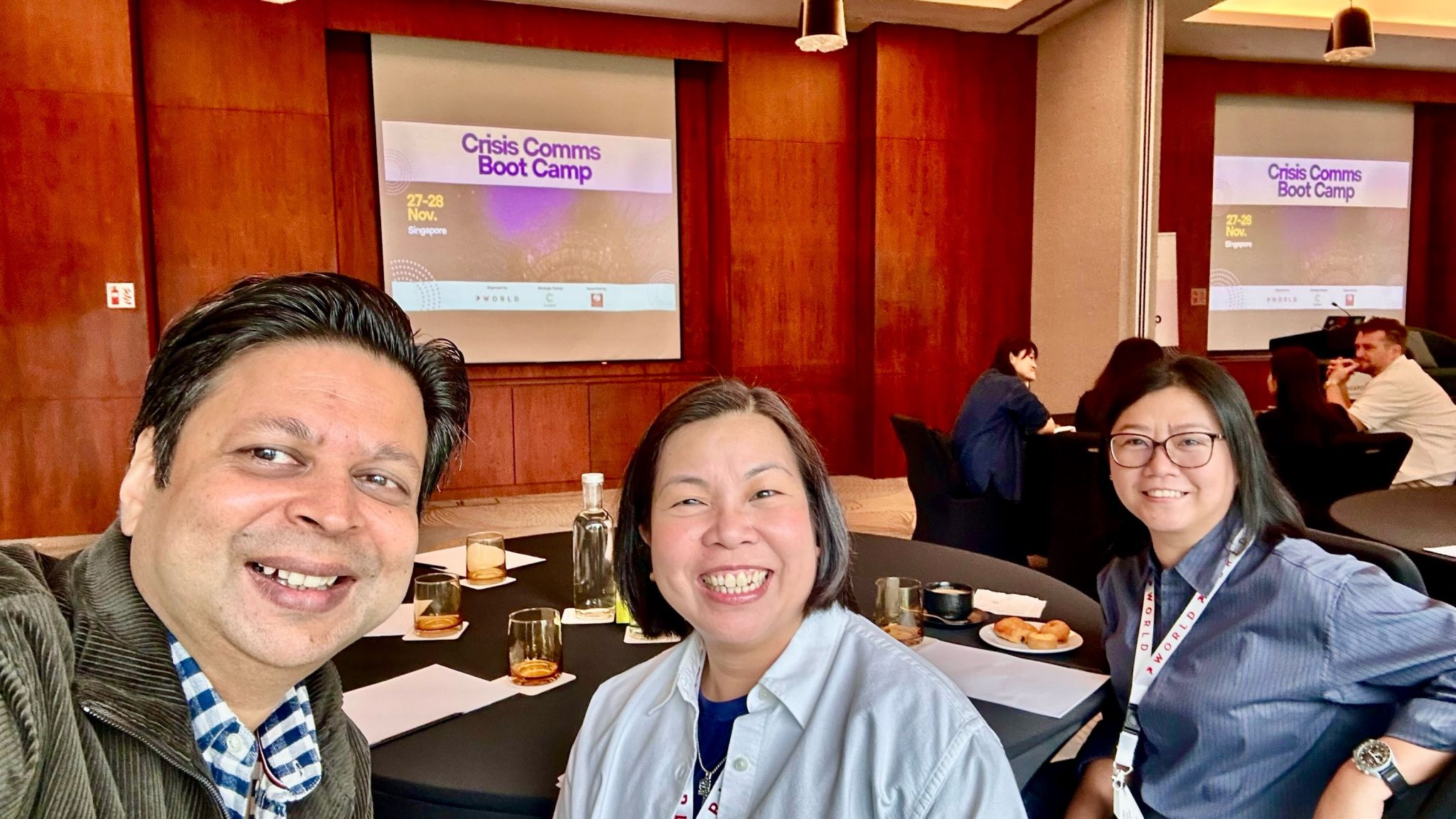
Attending the Crisis Communications Bootcamp in Singapore last November (organized by P World, with support from the International Association for Business Communicators Asia Pacific Region) left me with some fresh perspectives on handling crises in today’s fast-paced world that’s in a state of permacrisis.
Here are the key lessons I picked up and how I plan to apply them:
1. Human judgment still matters (even with AI)
Microsoft Head of Communications for Asia, Lauren Myers-Cavanagh, nailed it: Artificial Intelligence (AI) can provide data fast, but it can’t replace human judgment. In critical situations, it’s not just about speed. It’s about making thoughtful, informed decisions. This insight reminds me to balance technological efficiency with critical thinking, ensuring decisions are data-informed but not solely data-driven.
2. Prepare before the crisis hits
Amazon Policy and Press Communications Manager for Australia and New Zealand, Jack Lahart, was a great reminder that crisis management starts before a crisis even happens. Having escalation plans and running crisis drills can make all the difference. I aim to integrate regular simulation exercises and strengthen internal protocols to ensure my team is always ready to respond decisively.
3. Cut through the noise
PRecious Communications Group CEO Lars Voedisch talked about how overwhelming information can get. As communicators, it’s our job to filter out the noise and focus on what truly matters. I will continue focusing on creating streamlined communication frameworks that cut through the clutter, ensuring messages resonate with key stakeholders.
4. Internal communications are key
Marriott International APEC Vice President for Communications Ching Yee Wong highlighted how vital internal communication is during a crisis. If your team isn’t aligned, misinformation spreads fast. As an internal communications leader, I will keep on enhancing internal communication strategies, fostering transparency and ensuring consistent messaging across all levels of the organization.
5. Own the story on social media
IABC APAC Chair Barbara Pesel’s session stressed the importance of not going silent during a crisis. Instead of retreating, brands should engage with authenticity and clarity. That’s why it’s always worthy to revisit our social media protocols to ensure we’re ready to respond quickly and responsibly.
6. Build trust through the 4Ps
Standard Chartered Head of Communications, Transaction Banking & Global Markets Rami Lawand shared the daily importance of the 4Ps—process, people, platforms, and positioning. This lesson reinforced the need for clear, regularly rehearsed processes, active stakeholder engagement, and reliable back-ups. I’ll continue focusing on strengthening these areas, knowing trust is built through everyday readiness.
7. Harness the power of data storytelling
LinkedIn Marketing Science and Technology Director for North America Nicole Moreo shared that the vital role of data storytelling is not just about gathering data but weaving it into compelling narratives that provide context and relevance during a crisis. By embedding data-driven stories into communication strategies, we can better illustrate impact, guide decisions, and report effectively. I look forward to using more data as a powerful tool to shape clear, impactful crisis communication.
8. Stay composed under pressure
Former Press Secretary to King Charles III, Colleen Harris, had an engaging fireside chat that capped Day 1 of the boot camp. She shared powerful lessons in resilience, integrity, and leadership. Her composure during crises, like managing public narratives after Princess Diana’s death, showcases the value of crisis management and emotional intelligence. Her commitment to truth, even with royalty, highlights the strength of ethical leadership. Through strategic communication and mentoring the young princes, she demonstrated the impact of compassionate guidance. Applying these lessons means embracing honesty, staying composed under pressure, and balancing professional duties with personal well-being for authentic, effective leadership.
9. Harness AI for enhanced team collaboration
Day 2 of the boot camp was a hands-on workshop led by former 10 Downing Street Deputy Director for Digital Communications, Peter Heneghan. Peter showed us how AI significantly boosts team collaboration during crises by streamlining communication workflows and facilitating rapid decision-making. Tools like ChatGPT Enterprise and Copilot agents enable teams to co-create content, analyse real-time data, and maintain message consistency across channels. AI-driven platforms support seamless information sharing, allowing team members to stay aligned, regardless of location. Additionally, features like role-playing simulations help teams prepare for potential scenarios, enhancing readiness and coordination. By integrating AI, crisis communication teams can respond more efficiently, with unified strategies that adapt swiftly to evolving situations. I plan to apply these AI insights to optimise team dynamics, enhance crisis response strategies, and foster a culture of agile, data-driven collaboration.
As the communications landscape continues to evolve, these lessons reaffirm the essential balance between technology, strategy, and human insight. By applying these principles, I look forward to enhancing our crisis communication capabilities, fostering resilience, and maintaining the trust of our audiences.
Your turn
What’s your current crisis communication strategy like? Are you prepared to handle the unexpected? Take a moment to reflect, update your plans, and start conversations with your team. The best time to prepare is now.
Attending the Crisis Communications Bootcamp in Singapore last November (organized by P World, with support from the International Association for Business Communicators Asia Pacific Region) left me with some fresh perspectives on handling crises in today’s fast-paced world that’s in a state of permacrisis.
Here are the key lessons I picked up and how I plan to apply them:
1. Human judgment still matters (even with AI)
Microsoft Head of Communications for Asia, Lauren Myers-Cavanagh, nailed it: Artificial Intelligence (AI) can provide data fast, but it can’t replace human judgment. In critical situations, it’s not just about speed. It’s about making thoughtful, informed decisions. This insight reminds me to balance technological efficiency with critical thinking, ensuring decisions are data-informed but not solely data-driven.
2. Prepare before the crisis hits
Amazon Policy and Press Communications Manager for Australia and New Zealand, Jack Lahart, was a great reminder that crisis management starts before a crisis even happens. Having escalation plans and running crisis drills can make all the difference. I aim to integrate regular simulation exercises and strengthen internal protocols to ensure my team is always ready to respond decisively.
3. Cut through the noise
PRecious Communications Group CEO Lars Voedisch talked about how overwhelming information can get. As communicators, it’s our job to filter out the noise and focus on what truly matters. I will continue focusing on creating streamlined communication frameworks that cut through the clutter, ensuring messages resonate with key stakeholders.
4. Internal communications are key
Marriott International APEC Vice President for Communications Ching Yee Wong highlighted how vital internal communication is during a crisis. If your team isn’t aligned, misinformation spreads fast. As an internal communications leader, I will keep on enhancing internal communication strategies, fostering transparency and ensuring consistent messaging across all levels of the organization.
5. Own the story on social media
IABC APAC Chair Barbara Pesel’s session stressed the importance of not going silent during a crisis. Instead of retreating, brands should engage with authenticity and clarity. That’s why it’s always worthy to revisit our social media protocols to ensure we’re ready to respond quickly and responsibly.
6. Build trust through the 4Ps
Standard Chartered Head of Communications, Transaction Banking & Global Markets Rami Lawand shared the daily importance of the 4Ps—process, people, platforms, and positioning. This lesson reinforced the need for clear, regularly rehearsed processes, active stakeholder engagement, and reliable back-ups. I’ll continue focusing on strengthening these areas, knowing trust is built through everyday readiness.
7. Harness the power of data storytelling
LinkedIn Marketing Science and Technology Director for North America Nicole Moreo shared that the vital role of data storytelling is not just about gathering data but weaving it into compelling narratives that provide context and relevance during a crisis. By embedding data-driven stories into communication strategies, we can better illustrate impact, guide decisions, and report effectively. I look forward to using more data as a powerful tool to shape clear, impactful crisis communication.
8. Stay composed under pressure
Former Press Secretary to King Charles III, Colleen Harris, had an engaging fireside chat that capped Day 1 of the boot camp. She shared powerful lessons in resilience, integrity, and leadership. Her composure during crises, like managing public narratives after Princess Diana’s death, showcases the value of crisis management and emotional intelligence. Her commitment to truth, even with royalty, highlights the strength of ethical leadership. Through strategic communication and mentoring the young princes, she demonstrated the impact of compassionate guidance. Applying these lessons means embracing honesty, staying composed under pressure, and balancing professional duties with personal well-being for authentic, effective leadership.
9. Harness AI for enhanced team collaboration
Day 2 of the boot camp was a hands-on workshop led by former 10 Downing Street Deputy Director for Digital Communications, Peter Heneghan. Peter showed us how AI significantly boosts team collaboration during crises by streamlining communication workflows and facilitating rapid decision-making. Tools like ChatGPT Enterprise and Copilot agents enable teams to co-create content, analyse real-time data, and maintain message consistency across channels. AI-driven platforms support seamless information sharing, allowing team members to stay aligned, regardless of location. Additionally, features like role-playing simulations help teams prepare for potential scenarios, enhancing readiness and coordination. By integrating AI, crisis communication teams can respond more efficiently, with unified strategies that adapt swiftly to evolving situations. I plan to apply these AI insights to optimise team dynamics, enhance crisis response strategies, and foster a culture of agile, data-driven collaboration.
As the communications landscape continues to evolve, these lessons reaffirm the essential balance between technology, strategy, and human insight. By applying these principles, I look forward to enhancing our crisis communication capabilities, fostering resilience, and maintaining the trust of our audiences.
Your turn
What’s your current crisis communication strategy like? Are you prepared to handle the unexpected? Take a moment to reflect, update your plans, and start conversations with your team. The best time to prepare is now.
Insights
Written by

Lynda Corpuz
Awards & Recognition Director
NEVER MISS A THING!
Subscribe to stay in the loop with all things IABC APAC
Join the newsletter to receive the latest updates in your inbox.
Insights
Written by
Lynda Corpuz
Awards & Recognition Director
NEVER MISS A THING!
Subscribe to stay in the loop with all things IABC APAC
Join the newsletter to receive the latest updates in your inbox.


The International Association of Business Communicators (IABC) enables a global network of communicators working in diverse industries and disciplines to identify, share, and apply the world’s best communication practices. IABC is recognized as the professional association of choice for communicators who aspire to excel in their chosen fields.
We are part of the International Association of Business Communicators whose global headquarters is located at 330 North Wabash Avenue, Suite 2000 Chicago, Illinois 60611. (www.iabc.com)
The International Association of Business Communicators (IABC) enables a global network of communicators working in diverse industries and disciplines to identify, share, and apply the world’s best communication practices. IABC is recognized as the professional association of choice for communicators who aspire to excel in their chosen fields.
We are part of the International Association of Business Communicators whose global headquarters is located at 330 North Wabash Avenue, Suite 2000 Chicago, Illinois 60611. (www.iabc.com)
The International Association of Business Communicators (IABC) enables a global network of communicators working in diverse industries and disciplines to identify, share, and apply the world’s best communication practices. IABC is recognized as the professional association of choice for communicators who aspire to excel in their chosen fields.
We are part of the International Association of Business Communicators whose global headquarters is located at 330 North Wabash Avenue, Suite 2000 Chicago, Illinois 60611. (www.iabc.com)
Build community
Advance your career
Stay ahead of global trends
IABC connects communication professionals with the people and resources they need to drive business results and support their career.
© 2025 International Association of Business Communicators APAC. All rights reserved.
Build community
Advance your career
Stay ahead of global trends
IABC connects communication professionals with the people and resources they need to drive business results and support their career.
© 2025 International Association of Business Communicators APAC. All rights reserved.
Build community
Advance your career
Stay ahead of global trends
IABC connects communication professionals with the people and resources they need to drive business results and support their career.
© 2025 International Association of Business Communicators APAC. All rights reserved.